
How to Become a Pilot at Aerotyne Aviation in Southeast Louisiana
You don’t have to figure out the whole journey before you start. You just have to take the first step.
By Devin Melancon
If you’ve been thinking about learning to fly, you’ve probably already discovered there’s a lot of information out there. Ground school. Medicals. Written tests. Flight hours. Solo flights. Checkrides.
It can make becoming a pilot seem a lot more complicated than it really is.
Here’s what I tell new students: Don’t try to tackle the whole thing at once. Nobody becomes a pilot in one giant step. You learn it lesson by lesson, flight by flight.
Here’s what that looks like at Aerotyne.
1. Come Talk to Us
You don’t need to buy a headset or start memorizing aviation terminology. Just come talk to us.
We’ll sit down and walk through how training works, what it costs, what a typical lesson looks like, and what you can expect along the way. Aerotyne’s orientation also covers the syllabus, flight operations, FAA requirements, expectations and the practical things you’ll need to get started.
Bring your questions. There are no dumb ones. You’re not supposed to know how to become a pilot yet. That’s part of what we’re here to teach you.
2. Go Fly
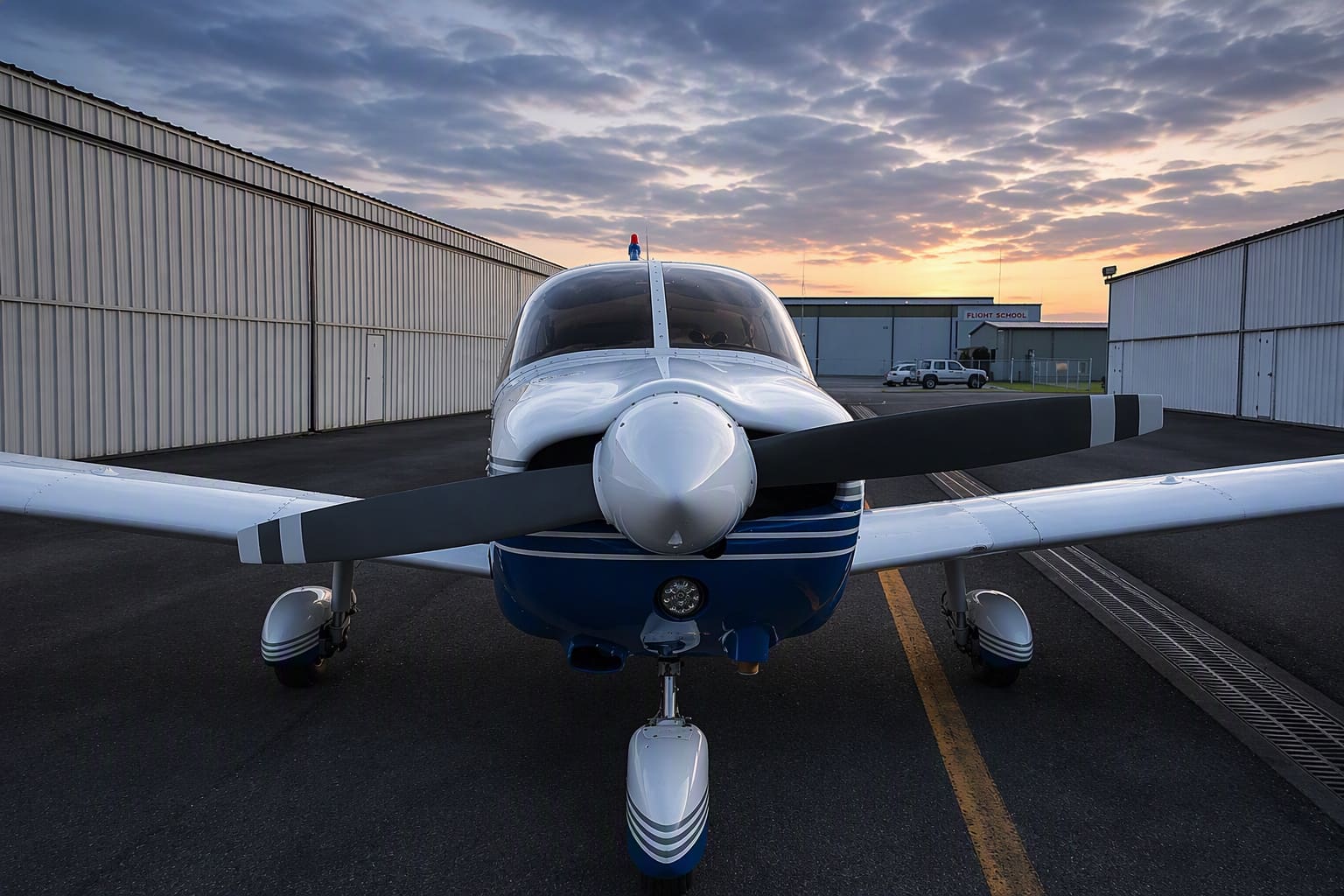
At some point, you have to quit reading about flying and get in an airplane. That’s what the Discovery Flight is for.
It’s your chance to fly with your instructor, see the airplane you’ll be training in and experience what a real flight lesson feels like. The Discovery Flight is part of Aerotyne’s path into formal training. You don’t need experience. You don’t need to know what you’re doing. That’s why I’m sitting beside you.
Come fly first. Then decide whether you want to keep going.
3. Get Set Up
If you decide this is something you want to pursue, we’ll get everything organized.
There is some paperwork involved. You’ll need the appropriate enrollment documents, identification, training agreement, and we’ll get you familiar with the syllabus and flight-operations material. The onboarding process also addresses your Student Pilot Certificate and FAA Medical Certificate.
Don’t let that list intimidate you. We’ll walk through it together.
4. Start Learning to Fly
Now the fun really starts.
Aerotyne combines flight training with Gold Seal Private Pilot Online Ground School, so what you’re studying on the ground connects with what we’re doing in the airplane.
I like to describe the process pretty simply: Study it. Brief it. Fly it. Debrief it.
You’ll study a concept before the lesson. We’ll talk about it together. Then you’ll get in the airplane and actually do it. Afterward, we’ll sit down and talk about what worked and what needs more attention. Then we do it again. Some things will come naturally. Some won’t. That’s flight training.
The standard doesn’t change. The pace can.
5. Fly Your First Solo
Eventually, there’s going to be a day when I climb out of the airplane and you don’t.
Your first solo is a major milestone in Aerotyne’s training progression, following the preparation necessary to reach solo readiness.
You’ll start the airplane, taxi out and fly without your instructor sitting next to you. That’s when a lot of students realize something has changed.
You’re not just someone taking flying lessons anymore. You’re becoming a pilot. And believe me, you’ll remember that flight.
6. Start Putting It All Together
Solo isn’t the finish line.
After that, we keep building. Aerotyne’s training progression moves from initial solo into solo cross-country flying and eventually toward checkride preparation. The individual pieces you’ve been learning start coming together: planning, weather, navigation, communication, decision-making and flying the airplane.
This is one of my favorite parts of training because you’re starting to do more than practice individual maneuvers. You’re learning to think like a pilot.
7. Get Ready for the Checkride
Toward the end of training, our focus begins to change.
We’re not trying to introduce a bunch of new things anymore. We’re making sure you can consistently demonstrate what you’ve learned.
You’ll need to complete the FAA knowledge test before the practical test, and Aerotyne recommends completing the knowledge test earlier rather than waiting until the very end of training.
Then we work through the final checkride preparation. By that point, I’m not trying to suddenly turn you into a pilot because a checkride is coming. I’m making sure you’re ready to demonstrate the pilot you’ve already become.
8. Become a Private Pilot
Then comes the checkride.
It’s the final milestone in Aerotyne’s Private Pilot training process. Pass it, and you’re officially a Private Pilot.
Think about that for a minute.
You may have started this whole process without knowing how the controls worked. Now you’re qualified to operate the airplane as pilot in command. What comes next is up to you. You might spend some time enjoying your certificate. You might start working toward an Instrument Rating. Maybe Commercial Pilot is the long-term goal. We’ll figure that out when you get there.
It All Starts with One Flight
Becoming a pilot takes work. There’s studying, practice, good days, frustrating days and probably a few landings you’ll wish nobody had seen. That’s okay. I’ve never expected a new student to show up already knowing how to fly. That’s why we train.
If you’ve been thinking about becoming a pilot in Southeast Louisiana, you don’t need to have the whole journey figured out.
Start with a Discovery Flight at Aerotyne Aviation in Gonzales.
Come meet your instructor. Get in the airplane. Put your hands on the controls and see what learning to fly actually feels like. One flight. One instructor. No experience required. No long-term commitment.
Come fly with us. Then decide what comes next.